Think Waves
Lifesaving Organization
(TWLO)
Ocean safety tips for swimmers — rip current survival the Smart Surfers Way
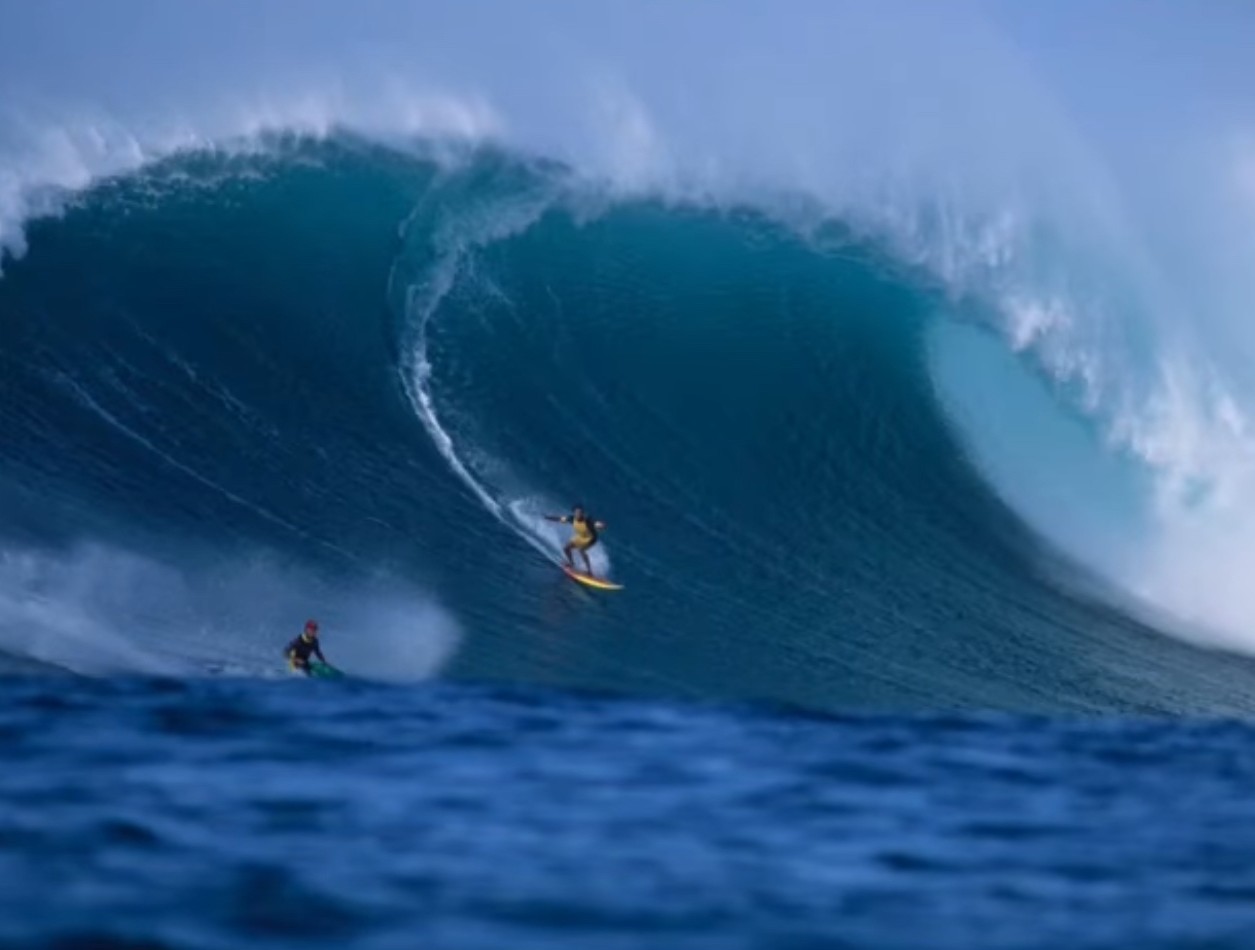
Knowing what to do if caught in a rip current can save your life — and experienced surfers have known the answer for hundreds of years. In the past, surfers did not need lifeguards because they were the lifeguards. They relied on themselves to get back safely to shore. To this day, smart surfers use rips to go out and waves to come in.
The Smart Surfers Way brings that surfer knowledge to everyone who goes to the beach.


Think Waves works with NOAA and the USLA to improve water safety worldwide
What is a rip current?
Rip currents are ocean currents heading away from shore.
Rip currents are swift, narrow channels of water flowing back out to sea — caused by waves pushing water toward shore faster than it can return. The bigger the waves, the stronger the rip current. Sometimes rip currents are stationary; other times they form suddenly and without warning.
A rip current pulls you away from shore — but it will not pull you under. Understanding exactly what a rip current is and how it behaves is the first step to staying safe in the ocean.
Are Rip Currents Dangerous?
Rip currents are not dangerous. Panic, fear, and unawareness are dangerous. A rip current moves horizontally — away from shore — and will not pull a swimmer underwater. For smart surfers, a rip current is not a threat. It is a tool — a free ride out to the lineup.
The danger is not the water. The danger is not knowing what to do. Replace panic with knowledge and a rip current becomes manageable.
How do smart surfers spot rip currents?
Smart surfers spot rip currents by looking for breaking waves.
Rip currents can be extremely difficult to spot — even for experienced lifeguards. For smart surfers, identifying them is second nature. Smart surfers look for breaking waves. Where there are no breaking waves, that gap is the rip current — and that is where surfers paddle out.
The best way to spot a rip current is to look for breaking waves first. Rip currents form in the gaps between them, or alongside piers, jetties, and sandbars.
How do smart surfers avoid rip currents?
Smart surfers don’t avoid rip currents. Smart surfers use rip currents to get out quickly to the surf and waves to get back to shore.
Waves carry ocean energy toward shore and will naturally push swimmers back to the beach. To avoid rip currents the Smart Surfers Way — always wade, play, or swim in front of breaking waves. Stay in the whitewater. Where there are waves pushing toward shore, that is the safe zone.
Play, wade, or swim in front of waves to avoid rip currents.
How do smart surfers escape from rip currents?
The best rip current self-rescue technique — flow with the current, swim to the nearest waves.
There is one principle at the heart of every rip current escape: use the ocean’s energy to return to shore. Waves carry that energy toward the beach. Get to the waves and the waves do the work.
The 3 most recognized ways to escape a rip current are:
- Swim parallel to the beach until out of the current, then swim to shore
- Float and let the rip carry you until it weakens, then swim to shore
- Flow with the current toward the nearest breaking waves — the Smart Surfers Way
USLA and NOAA advocate staying calm and swimming parallel to shore. Dr. Jamie MacMahan of the Naval Postgraduate School found that 80–90% of rip currents circulate in patterns — meaning a swimmer who floats has a strong chance of being returned to shore naturally. TWLO advocates the Smart Surfers Way: stay calm, flow with the current, and swim toward the nearest waves. Tried, true, and proven by smart surfers for hundreds of years.
The Smart Surfers Way to escape rip currents is the world’s best intuitive rip current self-rescue technique
— Lifeguard Captain Mike Hutchinson
Rips go out. Waves come in.
Stay calm.
Flow with the current.
Swim in the direction of the nearest waves — water moving toward shore.
The Smart Surfers Way is endorsed by Lifeguard Captain Mike Hutchinson, backed by NOAA and USLA, and proven by experienced surfers for hundreds of years. Now it belongs to everyone.
Did you know 90% of rescues are done by surfers?
“90% of rescues are done by surfers.” — Lifeguard Captain Paul Dean
Surfers understand the ocean. They read currents, spot rip channels, and know how to use wave energy to return to shore. Think Waves exists to give that same knowledge to every swimmer, parent, and beachgoer in the world.
Think Waves Lifesaving Organization’s mission is to remove Danger, Panic and Fear associated with rip currents and replace them with clear, accurate information and knowledge.
TWLO is a 501(c)3 nonprofit dedicated to reducing rescues and saving lives by teaching proven rip current survival education to swimmers and beachgoers worldwide. We work alongside the United States Lifesaving Association (USLA) and the National Oceanic and Atmospheric Administration (NOAA) to improve water safety standards internationally.
Take our free Think Waves Rip Current Quiz — and share it with everyone who goes to the beach.
Take the free Rip Current Quiz →
Support our mission — Donate to Think Waves today →
CONTACT US
ABOUT US
“Think Waves Lifesaving Organization is a 501(c)3 rip current education nonprofit dedicated to ocean safety for swimmers, surfers, and beachgoers worldwide. The Smart Surfers Way is the world’s best intuitive rip current survival technique — tried, true, and proven for hundreds of years.”
Think Waves
Lifesaving Organization
(TWLO)
501(c)(3) Charity ID Number: 61-1961189
MENU