Michael Willis Rescue of Titus Kinimaka at Waimea Bay
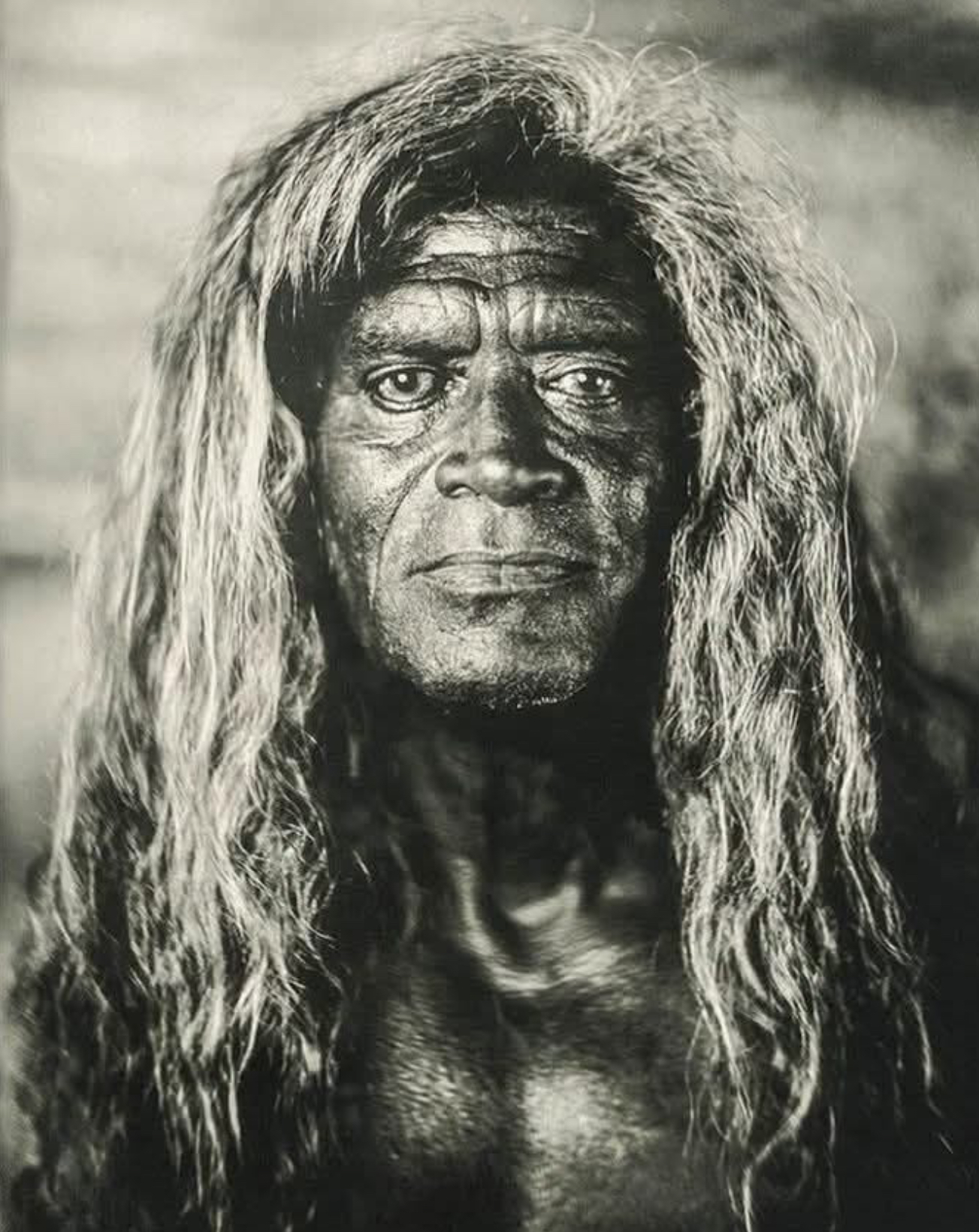
The Michael Willis Rescue of Titus Kinimaka
On Oahu’s North Shore, where winter swells transform the Pacific into a proving ground of human courage, surfing is more than recreation — it is a test of will against nature at its most unforgiving. The Michael Willis rescue of Titus Kinimaka is one of the defining stories to come out of that proving ground: on Christmas Day, December 25, 1989, a life-or-death struggle at Waimea Bay produced one of the most unforgettable open-ocean rescues in surfing history.
The Eddie Aikau Contest Sets the Stage
The Eddie Aikau big wave contest was building toward what promised to be a legendary day. By early morning, elite surfers from around the world filled the lineup, each waiting for a window into the biggest sets of the swell. Among them, Hawaiian waterman Titus Kinimaka stood apart. Riding a 10’8″ Willis Bros. gun, he surfed with a fearless precision that set him apart from the rest of the field — dominating wave after wave, pushing deeper, later, and more dangerously into massive sets than anyone else in the water was willing to attempt.
Waimea Bay has a way of rewarding that kind of ambition right up until the moment it doesn’t.
The Wipeout That Changed Everything
As the swell intensified through the morning, the waves began detonating with greater violence on the inside bowl. Kinimaka committed to a towering set wave, dropping late and nearly freefalling before he could engage the face. For an instant, it looked like he’d pull it off. Then the ocean struck back.
A collapsing wall of whitewater drove him straight down with catastrophic force, snapping his femur and leaving his leg grotesquely displaced. Disoriented and in unimaginable pain, Kinimaka surfaced screaming — his body broken, his life measured in seconds, not minutes, with the next set already stacking on the horizon.
Michael Willis Turns Toward Danger
What happened next defines the highest ideals of human bravery in the water.
Michael Willis, already paddling back into the impact zone, witnessed the wipeout from close range. He didn’t hesitate. Waves were still detonating at over 20 feet, and two tiger sharks had been spotted circling the area — an eyewitness account later confirmed by California surfer Tracy Allan, who was in the water that morning — conditions that would send most surfers straight to the channel. Willis turned toward the danger instead of away from it. There was no pause, no calculation. Only action.
Before Kinimaka could slip back beneath the surface, Willis — alongside a young Australian surfer named Carl Palmer — reached him just in time.
In conditions that would force most watermen to retreat, Willis placed himself directly in harm’s way, working to stabilize a critically injured surfer in open ocean under relentless surf. He was fighting more than the waves. He was fighting time, shock, and the ever-present threat of what was circling beneath them.
Forming a Human Raft in the Impact Zone
Recognizing the severity of the injury, Willis called in reinforcements: Milton Willis, Thierry Vieilledent, and Robbie Page paddled in immediately. Others who responded without hesitation soon after included Louie Ferreira, Darrick Doerner, and Ken Bradshaw — some of the most respected names in North Shore big wave surfing.
Together, this group of surfers formed what can only be described as a human raft: a floating shield against the chaos breaking around them. This wasn’t an organized rescue operation with a plan drawn up in advance. It was instinct, experience, and courage converging in real time, built entirely out of watermen who happened to be in the right place and refused to leave.
As Kinimaka’s teeth began chattering and his eyes started to roll upward, it was clear his body was failing and he was drifting into shock. That’s when Michael Willis did something profoundly simple and profoundly heroic: he held Kinimaka chest to chest, heart to heart, using his own body heat to keep him warm and conscious. He kept talking to him. Grounding him. Refusing to let him slip away.
In a violent ocean filled with danger, Willis became the one fixed point of calm, control, and survival that Kinimaka had to hold onto.
45 Minutes That Felt Like an Eternity
For 45 long minutes — an eternity under those conditions — the group held the line in open water, keeping Kinimaka stabilized and afloat until a helicopter could reach them and airlift him directly to the hospital. There was no guarantee of rescue when they started. There was only the decision to hold on, wave after wave, until help arrived.
The Aftermath: A Life Continued
Months later, Titus Kinimaka would stand at Michael Willis’s door — alive because someone chose not to turn away when the easier, safer choice was to paddle for the channel.
The Michael Willis rescue of Titus Kinimaka is more than a dramatic moment in surfing history. It’s a benchmark of human courage that stands alongside the greatest acts of lifesaving, not because of recognition or awards, but because of what it represents: the unbreakable responsibility people can feel for one another, even in the face of overwhelming danger.
Michael Willis was never formally recognized by the city for what he did that day. But history doesn’t rely on ceremonies to define greatness — it’s defined by actions, by the people who move toward danger when everyone else is moving away from it.
More than three decades later, Titus Kinimaka lives healed and thriving with his family on Kauai. Michael C. Willis continues to promote Think Waves Lifesaving Organization’s ocean safety mission worldwide, carrying forward the same instinct for action that saved a life in the waters of Waimea Bay that morning.
Why This Story Matters for Ocean Safety Today
This rescue wasn’t the result of a rulebook or a formal lifeguard protocol — it was the result of watermen with the skill, ocean literacy, and physical competence to act decisively under extreme pressure. That distinction is at the heart of everything Think Waves Lifesaving Organization teaches through The Surfers Way: the belief that competence and preparation, not panic, are what turn a near-drowning into a survival story.
It’s the same philosophy behind our rip current escape training. Just as Michael Willis’s years in the water gave him the instinct and physical capacity to act in a crisis, everyday ocean-goers who understand how rip currents behave — and how to actively swim out of one — are far better equipped to survive an emergency than those relying on fear-based warnings alone.
If you enjoyed this story, find out more about the fascinating world of big wave surfing and the personalities of those who dedicate their lives to the pursuit of giant waves. Behind every rescue like the Michael Willis rescue of Titus Kinimaka is a deeper story — decades spent studying swells, currents, and the raw power of the ocean at places like Hawaii’s North Shore. Check out 100 Foot Wave: The Official Book, written by Milton and Michael Willis, for an inside look at the big wave community and the watermen who live it every day.
Want to know how prepared you’d be in a real ocean emergency? Take the Rip Current IQ Quiz and see how your knowledge stacks up.
Copyright @ Think Waves Lifesaving Organization / the Surfers Way / 2024.
Copyright @ Think Waves Lifesaving Organization / the Surfers Way / 2024.